
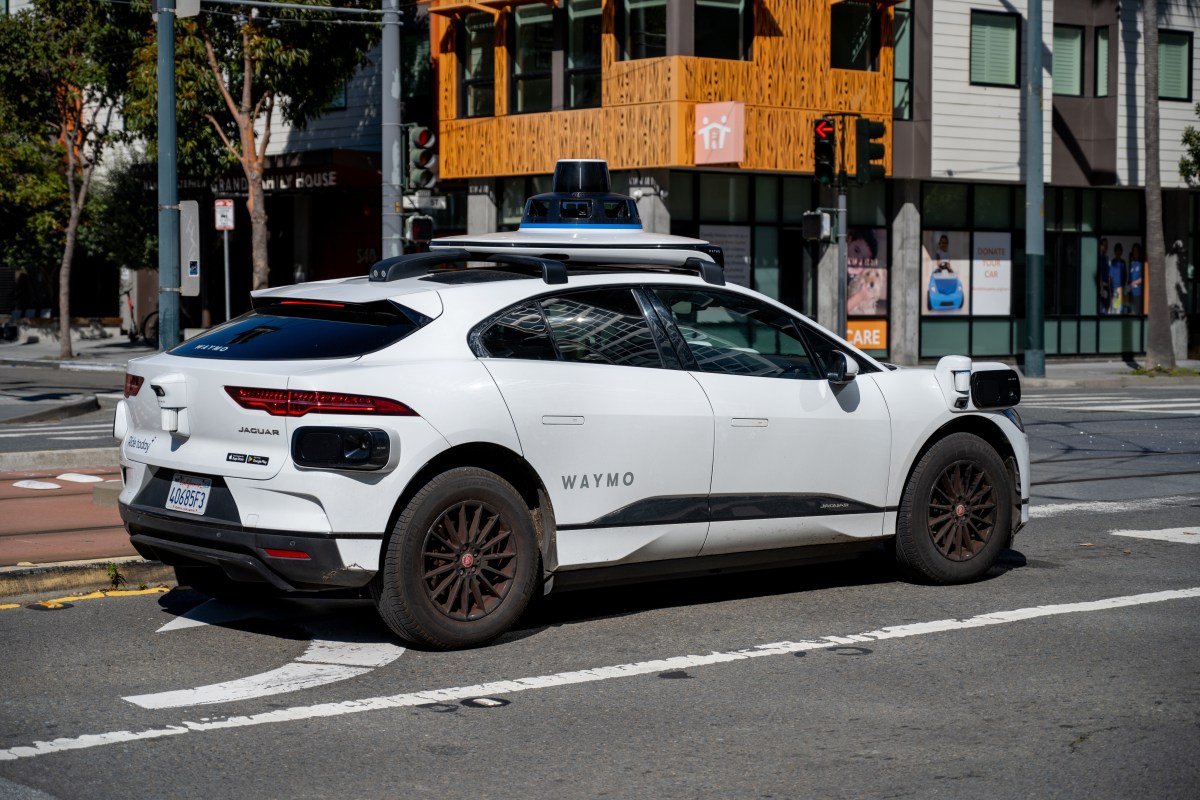
Waymo is gearing up to leverage data from its autonomous vehicles, specifically using footage from interior cameras linked to passenger identities, for training generative AI models. This revelation comes from a draft of the company’s privacy policy unearthed by researcher Jane Manchun Wong, raising concerns about the potential repurposing of passengers’ in-car behaviours for AI development.
The draft indicates that Waymo intends to use rider data to personalise advertisements, a practice it already engages in to enhance its services. Riders will soon be able to opt out of having their personal information collected and utilised for AI training, according to the upcoming feature.
Waymo spokesperson Julia Ilina clarified that the new feature won’t alter the existing Privacy Policy but will provide riders a chance to decline data sharing for machine learning purposes. The unreleased policy further states that Waymo may distribute data to refine its services and tailor offerings to user interests, although opting out of sharing personal information with third parties will be allowed unless necessary for service functionality.
The mention of interior camera data significantly amplifies privacy concerns. The draft explicitly states that users can opt out of Waymo or its affiliates using their personal information, including data linked to their identities, for generative AI training. Ilina noted that the personal data collected is primarily used to enhance safety and service quality, facilitating emergency responses, verifying adherence to in-car rules, and locating lost items.
Waymo maintains that it will not share personal information with other Alphabet companies, such as Google and DeepMind, unless consented by users or as outlined in the Privacy Policy. However, concerns remain regarding how users will be informed about their opt-out options once the feature is live.
Currently, Waymo is the only driverless vehicle service generating revenue through paid rides in the U.S., recording over 200,000 weekly rides across cities including Los Angeles and San Francisco. This is a significant increase from just 10,000 rides per week two years ago, and the company plans to expand into more locations like Atlanta and Miami within the next two years.
Despite this upward trajectory, Waymo continues to accrue losses for Alphabet, which may explain its exploration of alternative revenue streams, such as in-vehicle advertising and data sharing for AI models. Last year, Alphabet invested another $5 billion into Waymo, with the company’s valuation now exceeding $45 billion after raising an additional $5.6 billion from external investors.
Waymo is still heavily investing in research and development, as well as expanding its fleet, which incurs substantial costs due to specialised equipment, maintenance, and charging infrastructure. The timeline for achieving profitability remains unclear, as Alphabet does not disclose specific financials for Waymo, instead categorising it under the “other bets” segment of its balance sheet, which reported a $1.2 billion operating loss in 2024.
Fanpage: TechArena.au
Watch more about AI – Artificial Intelligence
