
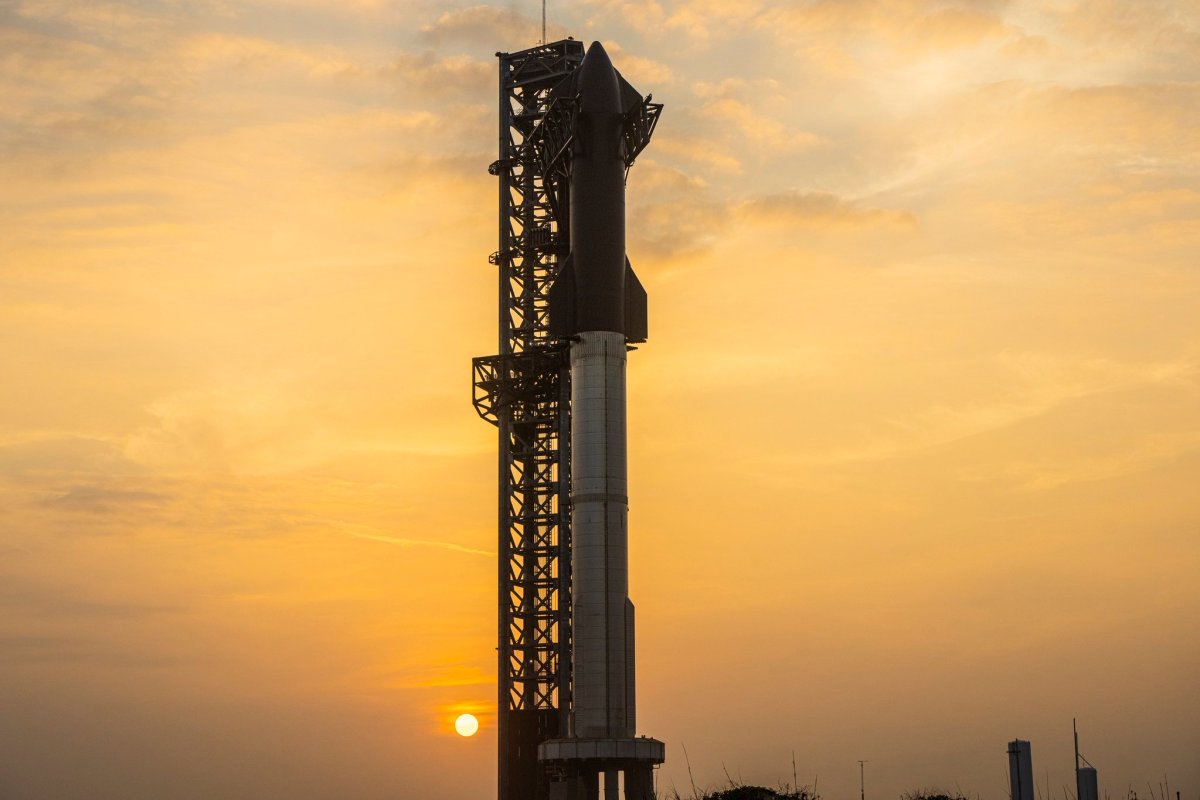
The Federal Aviation Administration (FAA) has greenlit SpaceX for the ninth test flight of its Starship rocket system, following the company’s recent setbacks involving explosions during two previous flights. In light of the incidents from Flights 7 and 8, which demonstrated a heightened risk of failure, the FAA will expand the designated hazard zones during the upcoming launch. These no-fly zones are established to mitigate potential risks associated with falling debris.
The revised hazard area now stretches approximately 1,600 nautical miles, extending eastward from Texas through the Bahamas and Turks & Caicos, marking a significant increase compared to previous safety zones established for earlier test flights. Additionally, the FAA has mandated that SpaceX conduct this test flight during off-peak travel times, a decision made after the last two test mishaps necessitated the diversion of numerous domestic and international flights.
SpaceX has been refining its Starship system over the past two years at its launch site in southern Texas. Elon Musk envisions the Starship as key to human missions to Mars, while its immediate purpose includes enhancing the launch capacity for the company’s Starlink satellite constellation. Currently, SpaceX relies heavily on its Falcon 9 rockets for Starlink launches, which have seen increasing demand as a global internet service provider.
The potential for expanded launch capacity may also be influenced by circumstances on the international front, as reports indicate that the Trump administration may be leveraging the adoption of Starlink in various trade negotiations. Meanwhile, Musk’s initiative involves members of his Department of Government Efficiency assisting the FAA in testing Starlink terminals as a prospective solution to ongoing challenges within the agency’s air traffic control system.
As SpaceX continues its efforts in developing both the Starship and Starlink projects, it remains to be seen how these enhancements will influence the company’s capabilities and responsiveness to future demands in the aerospace sector.
Fanpage: TechArena.au
Watch more about AI – Artificial Intelligence
