
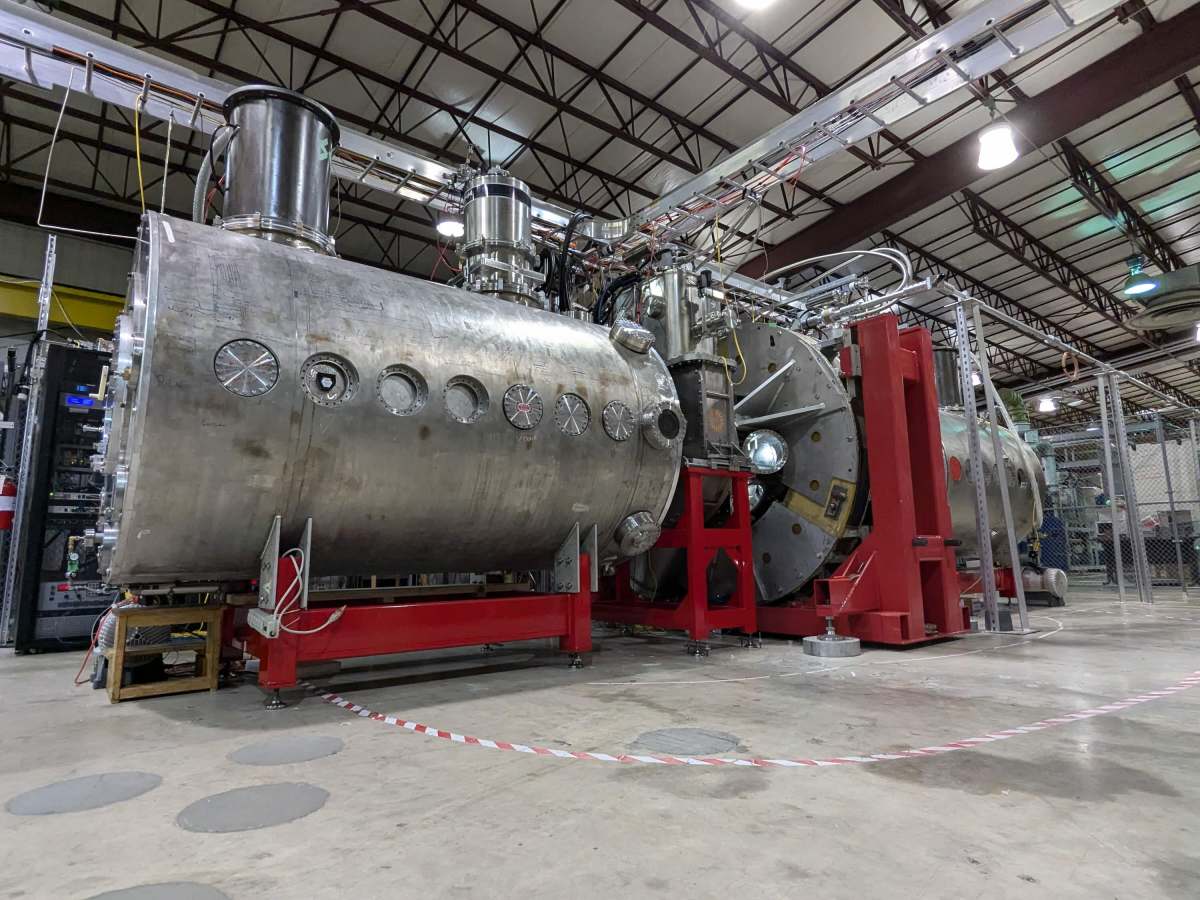
Realta Fusion is making strides in the fusion energy sector, distinguished from other companies facing challenges by successfully concluding a new fundraising round aimed at finalising its Anvil prototype reactor design. Co-founder and CEO Kieran Furlong stated that by the end of their Series A investment phase, they will be ready to proceed with construction.
The startup successfully secured $36 million through a round led by Future Ventures, alongside contributions from multiple investors, including Khosla Ventures and the Wisconsin Alumni Research Foundation. This follows an earlier $9 million seed round financed by Khosla Ventures. Realta made headlines last summer when it achieved a significant milestone by creating a powerful magnetic field that confined plasma, setting a new record.
Despite fusion energy’s long-held promise as a source of clean energy, only one experiment to date has achieved the important milestone known as scientific breakeven, which indicates the energy produced by fusion reactions. However, this result still fell short of the energy levels anticipated for a commercial fusion power plant, although there remains optimism among scientists about the feasibility of such plants within the next decade.
Realta’s vision includes constructing power plants that can initially supply energy at $100 per megawatt-hour, with long-term goals to reduce costs to $40 per megawatt-hour as their technology matures. Currently, competitive natural gas plants operate in the range of $45 to $105 per megawatt-hour.
Emerging from the University of Wisconsin three years ago, Realta has since collaborated with university scientists to create a reactor concept dubbed a magnetic mirror. This design utilises powerful magnets to confine plasma in a shape designed to enhance efficiency. The construction concept allows for easy scaling of power output through additional modular sections, which should be more economical to produce.
If the magnets function as intended, the plasma will reach the extreme temperatures necessary for fusion to occur, consequently unlocking a substantial energy source. Realta is part of an expanding fusion hub in Wisconsin, driven largely by increased energy demands in the region, particularly from major data centres.
Local politicians are considering legislation to attract the fusion industry to the state further, signalling a growing interest in the potential of fusion technology. Furlong highlighted the state’s legislative attention and the potential for bipartisan cooperation in this emerging sector.
Realta, along with its fellow fusion firms, faces the challenge of proving the viability of fusion power in the coming years. Furlong noted the industry’s current phase, coming off the initial hype, emphasising the shared goal among all companies to see fusion succeed. However, he acknowledged that not all companies in the sector are likely to survive the trials ahead.
Fanpage: TechArena.au
Watch more about AI – Artificial Intelligence
