
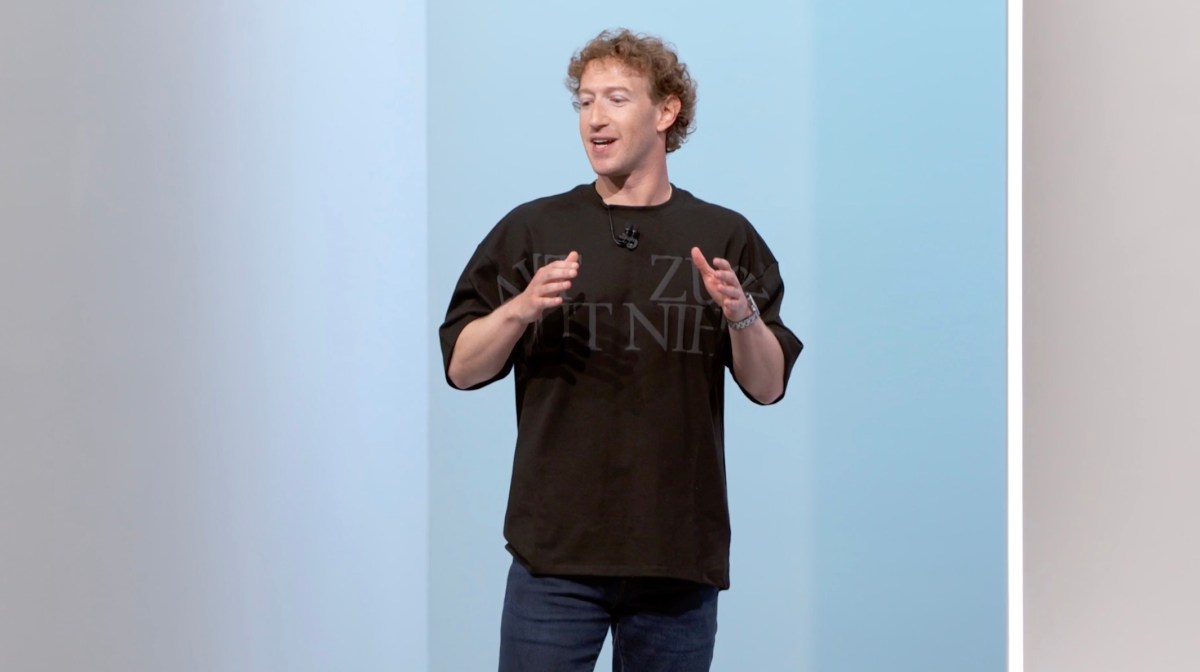
At the inaugural LlamaCon AI developer conference, Meta introduced the Llama API, allowing developers to interact with its Llama series of AI models in a limited preview. This API lets developers experiment with various Llama models and, coupled with Meta’s SDKs, enables the creation of services, tools, and applications driven by Llama technology. At this stage, Meta has not disclosed the API’s pricing.
As Meta strives to strengthen its position amid rising competition in the open model arena, the Llama series has seen over a billion downloads. However, competitors like DeepSeek and Alibaba’s Qwen pose significant challenges to Meta’s ambition of creating a comprehensive ecosystem around Llama.
The Llama API provides essential tools to fine-tune and assess the performance of Llama models, starting with the 8B version of Llama 3.3. Developers can generate data, engage in training, and employ Meta’s evaluation suite within the API to measure the quality of their custom models.
Importantly, Meta clarifies that it will not use customer data from the Llama API to train its models, ensuring that any models developed can easily be transferred to different hosting services if needed. For developers working with the recently released Llama 4 models, the API also offers experimental model-serving options in collaboration with firms like Cerebras and Groq, available on request to aid in prototyping AI applications.
Meta has expressed intentions to broaden access to the Llama API over the next few weeks and months, signalling an eagerness to enhance its developer ecosystem and partnerships. As competition heats up in the AI space, the Llama API could potentially equip developers with the necessary tools to innovate and build impactful AI solutions.
Fanpage: TechArena.au
Watch more about AI – Artificial Intelligence
