
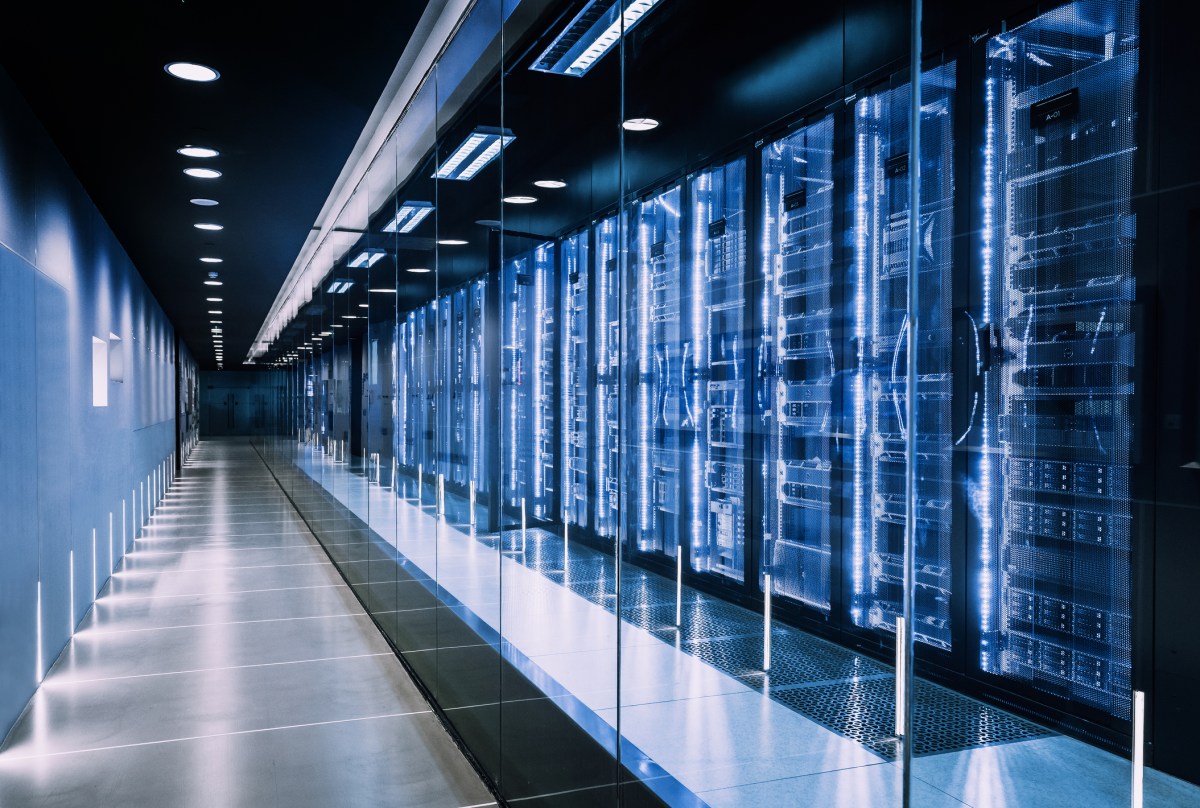
Data centres designed for AI training and operations are forecasted to evolve significantly, potentially featuring millions of chips, costing upwards of $500 billion, and demanding energy comparable to that of a large city. A collaborative study by Georgetown, Epoch AI, and Rand highlights this trajectory, examining over 500 data centre projects globally from 2019 to 2023. The results reveal that computational capabilities and corresponding power needs are expected to double each year, presenting substantial challenges in developing the necessary infrastructure for future AI advancements.
Notably, tech leaders like OpenAI, which recently announced that approximately 10% of the global population is using its ChatGPT platform, are actively seeking partnerships to invest in extensive networks of AI data centres. OpenAI is working with SoftBank among others to secure $500 billion, while other significant players, including Microsoft and Google, are committing hundreds of millions to expand their infrastructure this year.
The report indicates that the costs associated with constructing AI-specific data centres, such as xAI’s Colossus—priced at around $7 billion—are increasing at a rate of 1.9 times annually, alongside a doubling in power requirements. For instance, Colossus consumes about 300 megawatts, equivalent to the electricity usage of approximately 250,000 homes.
While data centres have improved energy efficiency, with performance per watt rising by 1.34 times yearly from 2019 to 2025, this will not suffice to meet soaring energy demands. Predictions suggest that by June 2030, leading AI data centres may contain 2 million chips, cost around $200 billion, and require 9 gigawatts of power—similar to the output of nine nuclear reactors.
As electricity consumption from AI data centres is projected to rise by 20% by 2030, this growing demand risks overwhelming power grids and may push renewable energy resources to their limits. There are concerns that this could lead to increased reliance on fossil fuels, prompting environmental implications. Additionally, AI data centres face challenges beyond energy consumption, including high water usage, significant land requirements, and detrimental impacts on local tax revenues, with estimates indicating at least 10 states could lose over $100 million annually in tax income due to overly generous incentives offered to such establishments.
However, it is essential to note that these projections may change, as some major firms like AWS and Microsoft have recently scaled back their data centre plans. Current market dynamics suggest a potential cooling period, raising questions about the sustainability of such rapid expansion in the industry.
Fanpage: TechArena.au
Watch more about AI – Artificial Intelligence
