
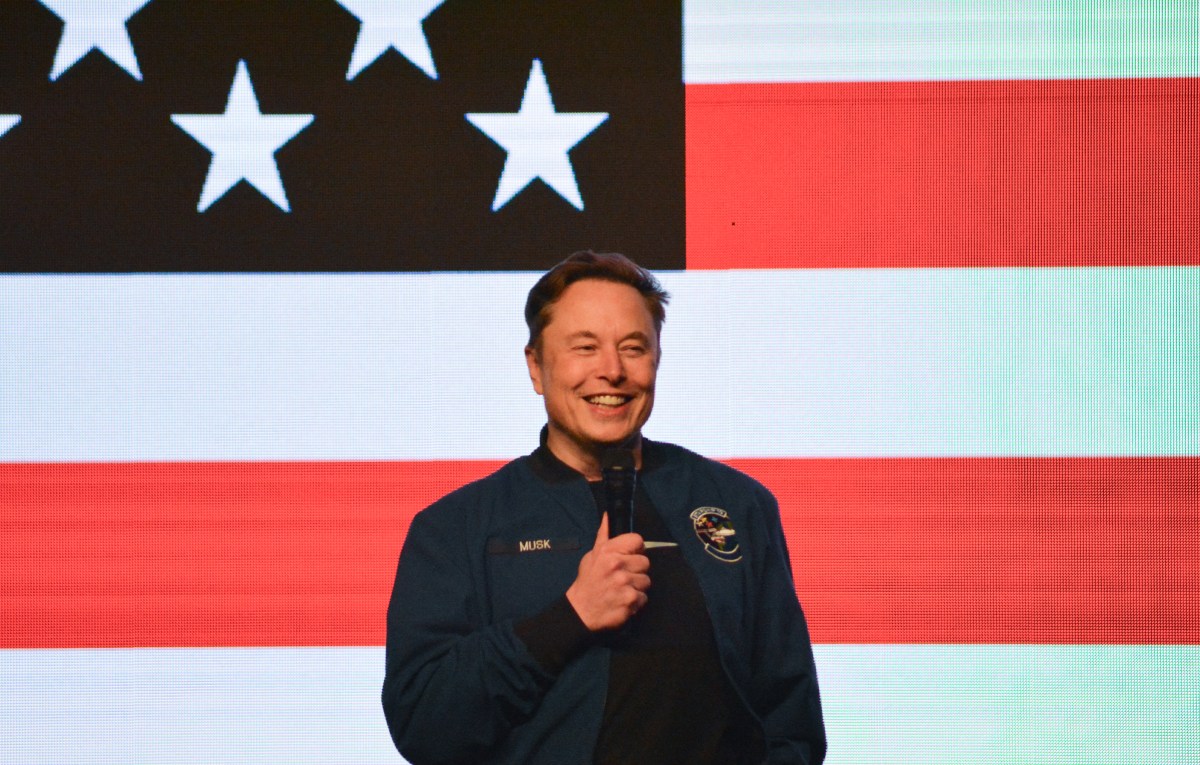
Elon Musk is not alone in wielding considerable influence over federal regulatory agencies; other tech billionaires such as Peter Thiel, Marc Andreessen, and Palmer Luckey have similarly embedded individuals in key roles. Since Donald Trump’s presidency began, more than thirty associates of these billionaires have secured positions within federal agencies, diverting substantial public contracts—approximately $6 billion—towards their respective companies, according to a Wall Street Journal report.
The influx of personnel from these tech circles into government raises significant ethical concerns. There are worries that these appointments may breach conflict-of-interest laws, with implications that public servants are leveraging their roles for the benefit of private interests. While placing trusted allies in government roles is a common practice, the magnitude and speed of these transitions under Trump are unprecedented.
Some experts argue that such moves might hinder fair competition and prompt self-serving policy shifts. For instance, the Consumer Financial Protection Bureau has shifted its stance away from imposing tighter regulations on data brokers, a change that potentially favours those in the tech sector focusing on AI and data analytics. Additionally, Musk’s administration has been accused of dismissing key regulatory staff, such as those investigating the safety of autonomous vehicles.
The extent of this network is pronounced, with figures tied to Musk, Thiel, and their peers present in numerous agencies. Notably, SpaceX’s employees occupy roles that could facilitate government contracts, as illustrated by engineer Theodore Malaska’s temporary assignment at the Federal Aviation Administration (FAA) while still employed at SpaceX. The company has already established a solid rapport with NASA, being a preferred supplier for crew and cargo transport.
This interconnected web extends to firms backed by Thiel, such as Palantir, which has received significant government contracts since 2020. With a focus on defence and health services, Palantir’s ties may pave the way for substantial future earnings from federal agencies. Furthermore, proposals for multimillion-dollar contracts, combining muscle from various tech companies, have emerged, indicating a concerted effort to capture defence and technological contracts.
Analysts have voiced concerns about the overarching influence billionaire interests can exert on government policy and the electoral process, potentially undermining healthy economic competition. The implications of such concentration of power threaten to skew government decisions in favour of select companies rather than fostering innovation and competition across the board.
In summary, as tech oligarchs continue to intertwine their networks with government, the blurred lines between public service and private gain are raising alarms regarding accountability and the health of the market and democracy.
Fanpage: TechArena.au
Watch more about AI – Artificial Intelligence
