
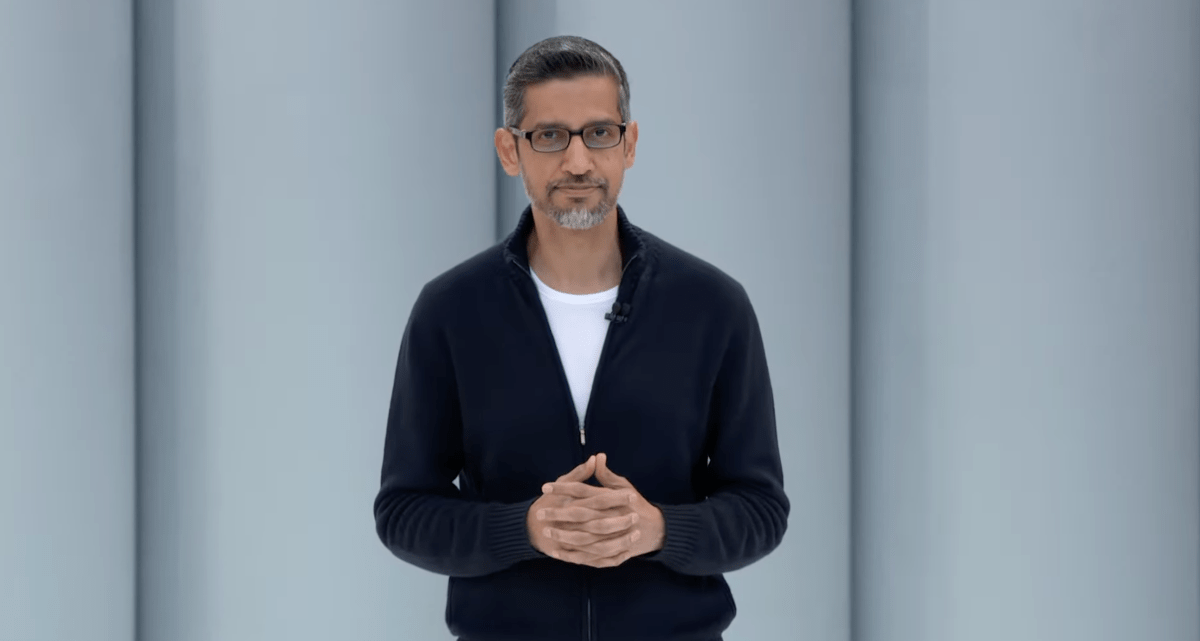
Google I/O 2025, the company’s prominent developer conference, is currently taking place at the Shoreline Amphitheatre in Mountain View. Over the two-day event, Google is unveiling a host of updates and product announcements across its wide array of services, including Android, Chrome, Google Search, and YouTube, with a significant spotlight on its AI-driven chatbot, Gemini.
A dedicated Android-show segment has introduced various updates, such as new features for locating lost Android devices and an upgraded Advanced Protection program aimed at bolstering security for users. Additionally, the innovative Material 3 Expressive design language has been revealed.
One of the key highlights is the introduction of Gemini Ultra, currently available only in the U.S. This premium subscription priced at $249.99 monthly provides advanced access to Google AI services, including the new Veo 3 video generator, Flow video editing application, and Gemini chatbot in Chrome.
Gemini 2.5 Pro’s Deep Think feature has also been unveiled, enhancing the chatbot’s reasoning capabilities by allowing it to evaluate multiple responses before settling on one. Although the specific details of Deep Think’s operation are limited, it is likened to advanced AI models being developed by competitors and is currently in testing phases for trusted users.
The Veo 3 model generates videos complete with sound effects and dialogues, marking a significant advancement from its predecessor, Veo 2. Available to Gemini Ultra plan subscribers, users can prompt this feature using text or images.
Imagen 4, another exciting release, promises rapid image generation and exceptional detail, outperforming its predecessor Imagen 3. This capability will support the new Flow video tool aimed at enhancing filmmaking experiences.
Additional updates include the Gemini Live feature which enables real-time video streaming to the AI model, set to integrate with Google Maps and Calendar shortly. Furthermore, Stitch, an AI-driven design tool, helps in crafting UI elements by generating HTML and CSS from simple prompts.
On a broader scale, Project Mariner allows users to execute multiple online tasks via an AI agent without directly visiting websites. Likewise, Project Astra is set to facilitate new AI capabilities across various Google products and is being developed in collaboration with firms like Samsung.
Google’s experimental AI Mode will allow users in the U.S. to pose complex queries, enhancing search experiences particularly in fields like finance and sports. Meanwhile, the Beam teleconferencing system showcases cutting-edge video technology paired with Google Meet for a more immersive communication experience.
Other notable developments include various upgrades in the Google Play Store for Android developers, enhancements to Android Studio featuring new AI-driven tools, and the introduction of Wear OS 6, ensuring a cleaner and more dynamic user experience on smartwatches.
In conclusion, Google I/O 2025 is marked by substantial innovation across Google’s ecosystem, particularly in AI, mobile technology, and user experience enhancements, setting the stage for a transformative year ahead.
Fanpage: TechArena.au
Watch more about AI – Artificial Intelligence
