
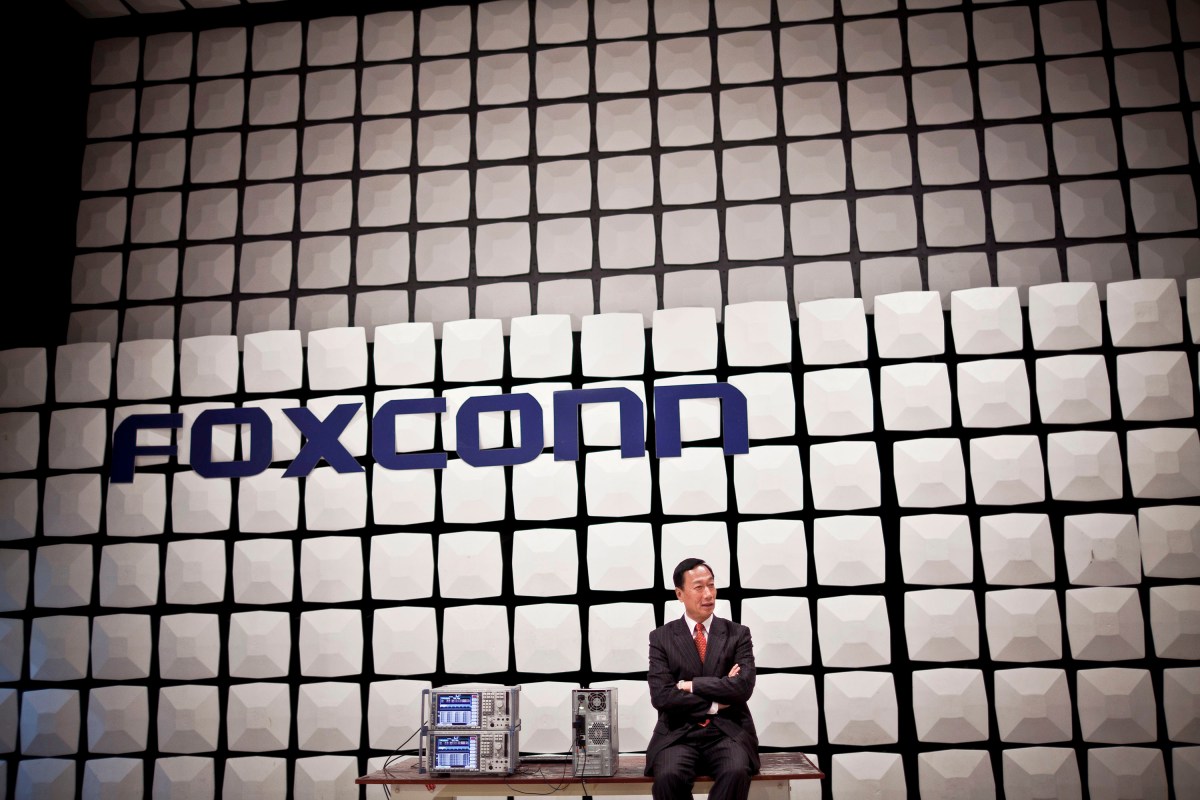
Foxconn, a major Apple supplier, has secured approval from the Indian cabinet to establish a new semiconductor plant through a partnership with HCL Group, with an investment of ₹37 billion (approximately $435 million). This initiative is part of Apple’s strategy to decrease its dependence on China and boost manufacturing within India.
The facility, set to be constructed near Jewar airport in Uttar Pradesh, is expected to commence operations in 2027. According to India’s IT Minister Ashwini Vaishnaw, the plant will specialise in manufacturing display driver chips, which are essential for the functioning of screens in mobile phones, laptops, automobiles, and PCs.
Currently, India does not have the advanced chip fabrication capabilities required for full-scale production. Therefore, initial operations will focus on semiconductor assembly and testing (OSAT), providing packaging and testing services for chips sourced from other manufacturers. Despite this limitation, Vaishnaw expressed optimism that the establishment of this facility is a crucial step towards developing local fabrication capabilities for Apple’s chip production.
The plant is projected to have a capacity to manufacture 20,000 wafers monthly, capable of producing approximately 36 million units of display panel chips. This development reflects Apple’s ongoing efforts to diversify its manufacturing operations beyond China, especially following remarks by CEO Tim Cook, who indicated the company’s intention to increase production in India to mitigate the impacts of trade tensions between the U.S. and China.
Tim Cook noted that bolstering manufacturing in India could help avoid price increases from tariffs, although there have been discussions within Apple about potential price hikes for its products.
Foxconn has already been actively expanding its operations in India, particularly in local iPhone assembly, and its plans include producing additional products like AirPods in the region. While the Indian government has yet to disclose the specific incentives available to Foxconn for this joint venture, the country’s semiconductor scheme offers significant fiscal support, covering up to 50% of capital expenditures for constructing manufacturing facilities.
The latest approval is part of a broader push by India to enhance its semiconductor manufacturing capabilities. This follows a recent proposal by Kaynes Semicon, which aims to establish a facility in Gujarat, with a proposed investment of ₹33 billion ($386 million). Furthermore, the Indian government recently earmarked up to ₹1.26 trillion ($15 billion) to support the development of the first three semiconductor plants under its incentive programme initiated in 2021.
As the industry awaits details on the next phase of India’s semiconductor incentive programme, Minister Vaishnaw chose not to divulge specific information during a recent press conference, leaving stakeholders eager for further developments.
Fanpage: TechArena.au
Watch more about AI – Artificial Intelligence
