
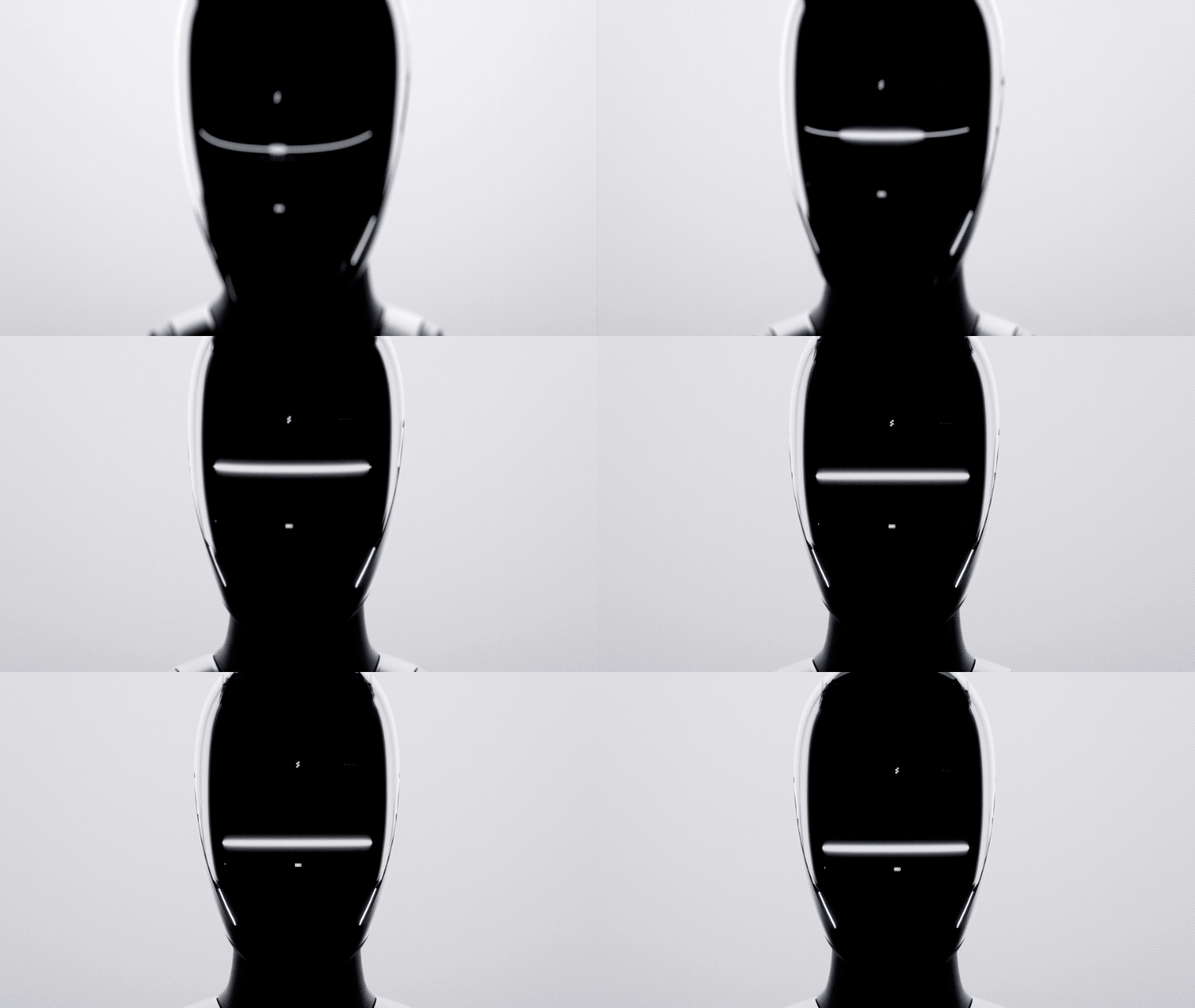
Figure has revealed its newest humanoid robot creation, dubbed the Figure 02, following the introduction of its predecessor, the Figure 01, in 2023. A preview video, much like those of other humanoid robots, showcases the product in a polished manner, rather than presenting a straightforward demonstration of its capabilities.
A video launched on Tuesday features the new robot’s distinctive slow, bending walk across a demo space, seemingly located within Figure’s headquarters. In the background, you can spot two other robots transporting bins, illustrating a common practical use for these machines.
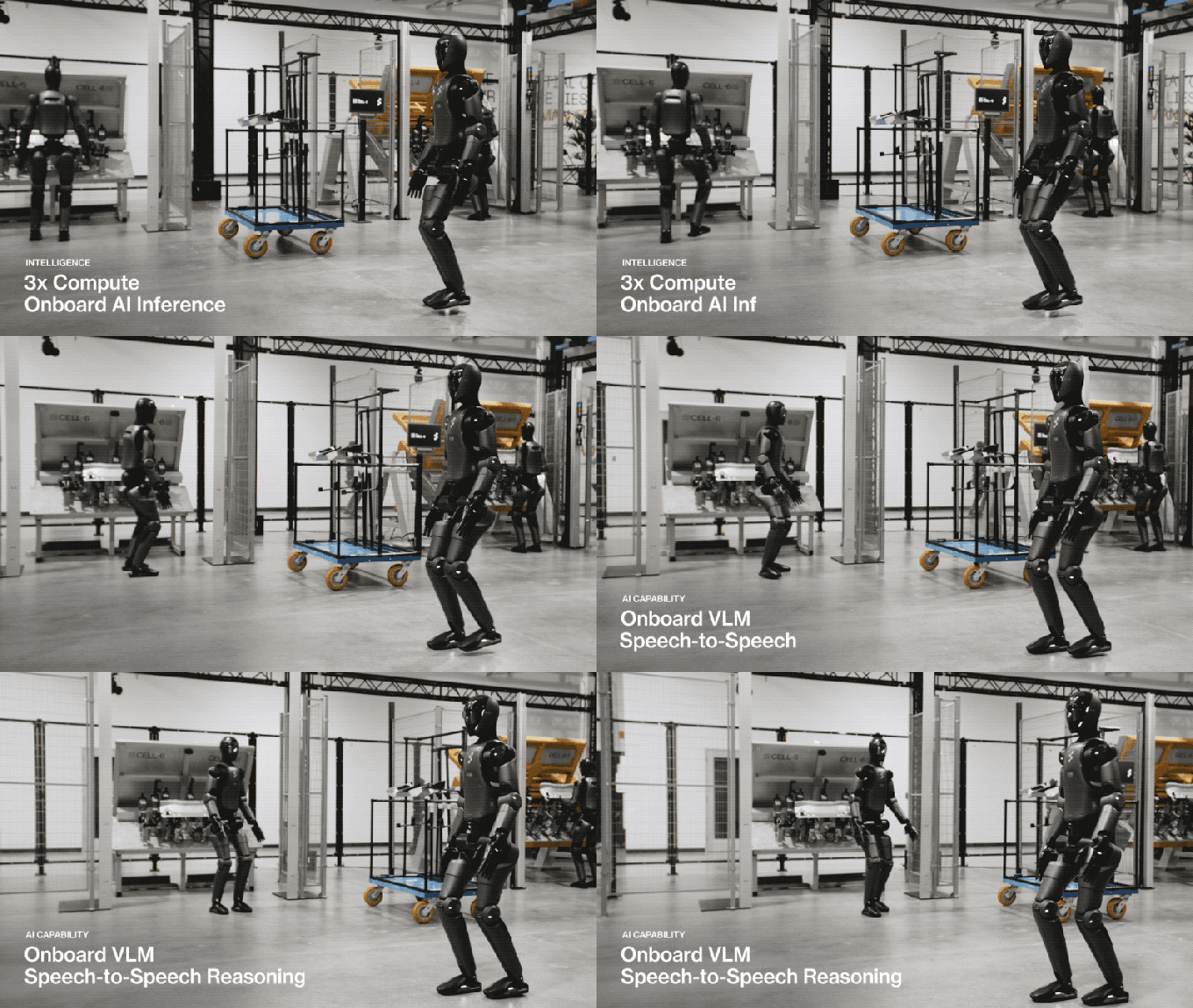
A significant update in this version is its collaboration with OpenAI, which was instrumental in Figure acquiring a $675 million Series B financing in February, bringing the company’s valuation to $2.6 billion.
The surge in neural network innovations has captivated the entire robotics sector, but especially those developing humanoid robots. Their ability to integrate seamlessly into human work environments, such as manufacturing plants, while ensuring safety, is a major advantage. The Figure 02 is equipped with audio output and input features, allowing it to communicate with human workers.
AI models such as ChatGPT and Google Gemini are celebrated for their language processing skills, heralding a new era of intelligent assistants and conversational AI interfaces. Integrating these abilities into robots makes it easier for humans to command them and adds a layer of understanding regarding the robot’s tasks.
Effective communication becomes doubly critical when it involves humanoid robots designed to move freely in human spaces, without the need for protective barriers. Although they mimic the human form, remembering that they are substantial machines that could pose risks is crucial. Adding speech capabilities, along with vision and proximity sensors, enhances safety.
Figure is among several companies pushing the boundaries of this technology. Agility, for instance, has been advancing its use of generative AI for better human-robot interaction. Google’s Everyday Robots project and Elon Musk’s ventures into AI and robotics with Grok AI and Optimus also emphasize the role of neural networks in this field.
OpenAI has diversified its investments within this realm, having initially backed Norwegian company 1X before the rise in Figure’s prominence in the sector. The firm’s Series B financing saw participation from major tech entities such as Microsoft, Amazon, Nvidia, and Intel Capital.
Recently, Figure initiated pilot projects with BMW, showcasing an early version of the robot engaging in autonomous tasks on video, empowered by neural networks.
The company reported that the 02 robot had already visited BMW’s Spartanburg, South Carolina facility for training and data gathering tasks. This is just the beginning of what seems to be emerging partnerships. Other companies like Agility, Apptronik, and Sanctuary AI are also testing their robots with automakers.
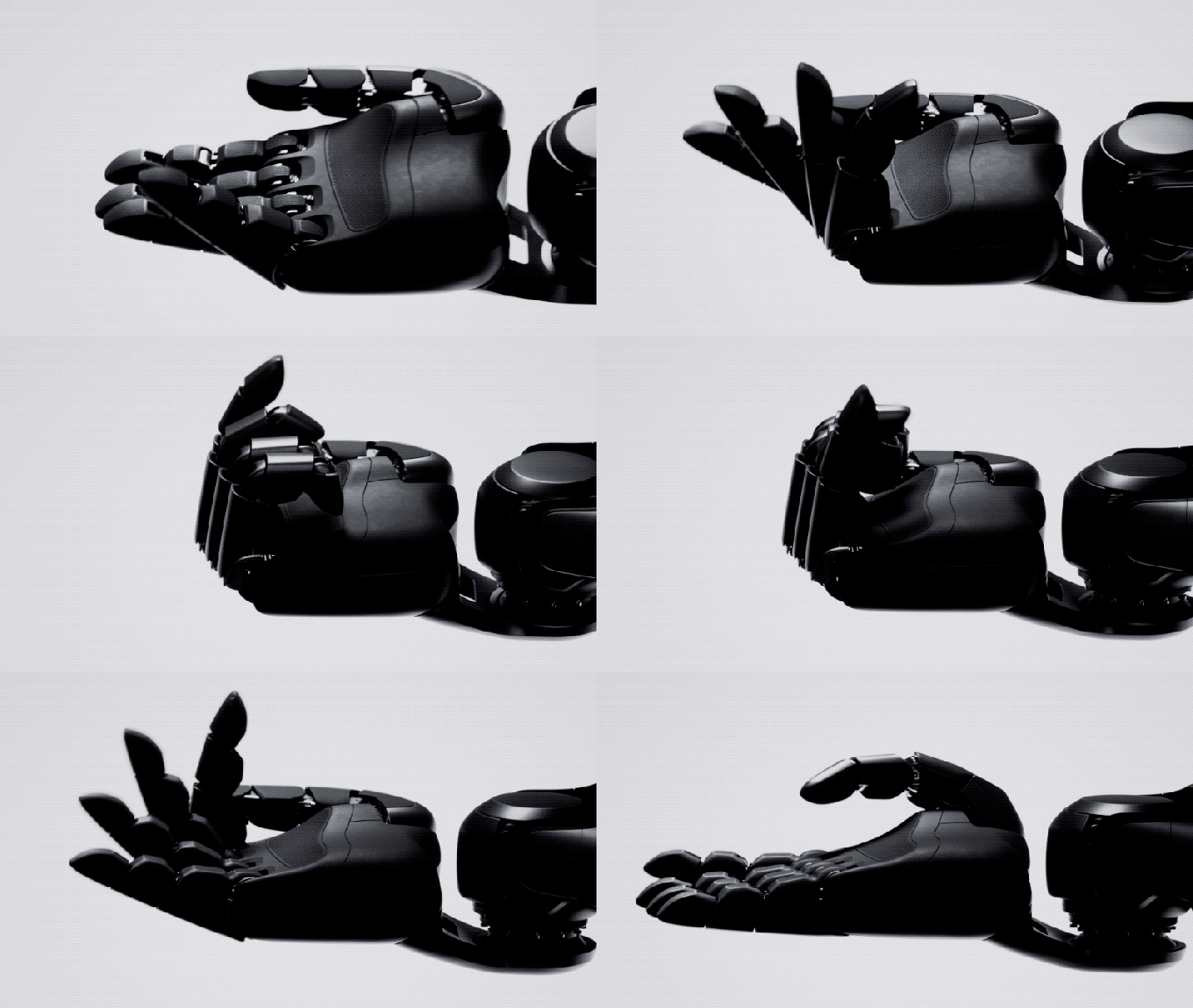
Revamping hardware and software from the ground up between the first and the second versions, Figure includes advancements such as six RGB cameras, an onboard visual language model, improved computing capabilities, and enhanced hands boasting 16 degrees of freedom.
The topic of how humanoid robot hands should be designed is ongoing, with differing viewpoints on the level of similarity to human hands. While human-like hands offer dexterity, they are also critiqued for being overly delicate. Figure is committed to developing hands that closely mimic human ones, believing in their utility for the robots’ tasks.
While there is no confirmed timeline for the broader release of Figure 02, the company is optimistic about its future applications beyond industrial settings. Figure envisions its robot performing a variety of tasks in commercial sectors and eventually, in household settings, leveraging its human-like dexterity and sophisticated AI features.
Compiled by Techarena.au.
Fanpage: TechArena.au
Watch more about AI – Artificial Intelligence

