
Weekend cycling has long been my sanctuary, helping to alleviate the week’s stress. Over time, I’ve acquired various gadgets to enhance this experience, but I ultimately discovered that overpacking hampers the joy of simply riding.
This is where the Ray-Ban Meta smart glasses come in, revolutionising my biking routine. Instead of juggling multiple devices like sunglasses, headphones, and a phone for photos, I now have one sleek gadget that caters to all those needs. Beyond my usage, Meta claims to have sold millions of these glasses, with sales reportedly tripling over the past year.
Many cyclists have turned to Ray-Ban Meta as evidenced by lively discussions on platforms like Reddit and YouTube. Recognising this trend, Meta is even working on a new generation of smart glasses in collaboration with Oakley, tailored specifically for athletes.
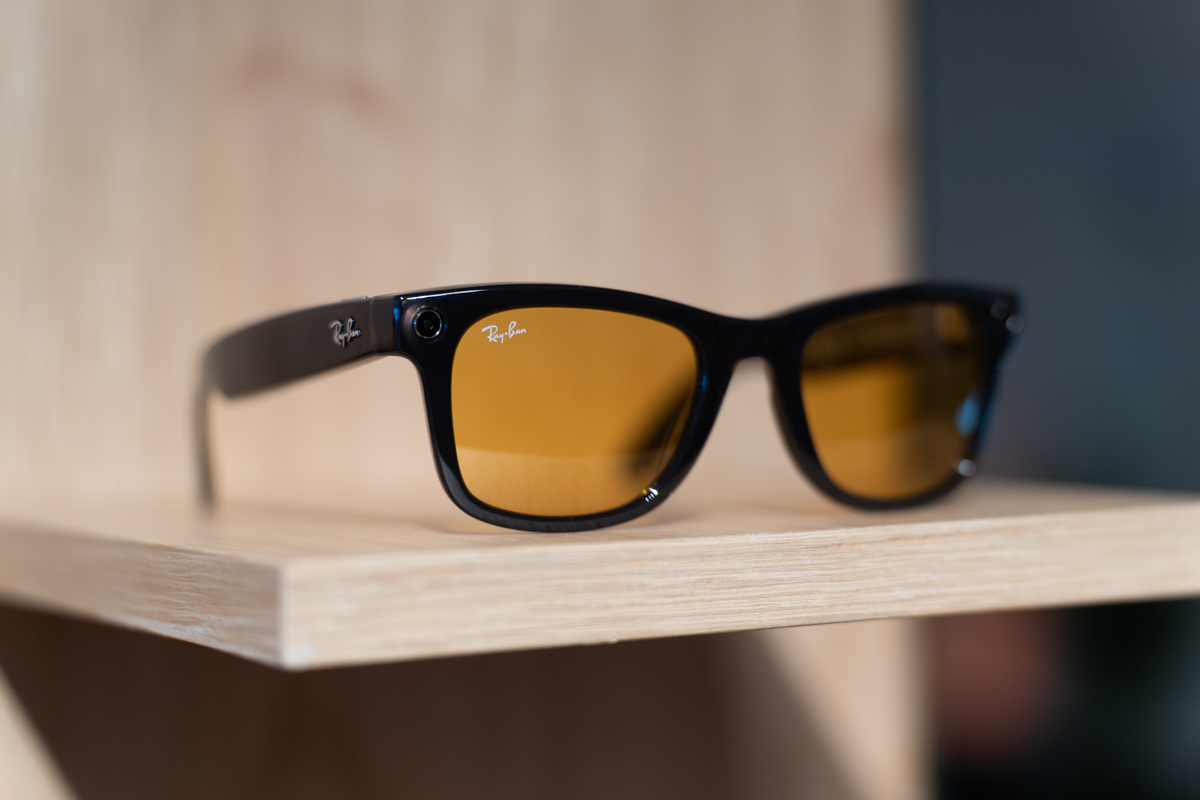
Initially, I didn’t anticipate using these glasses while cycling, but I now find them invaluable during my rides. They offer a pleasing experience, combining functionality with style. My pair features transition lenses, effectively shielding my eyes from the sun and debris while fitting comfortably under my bike helmet.
The highlight of the Ray-Ban Meta is its built-in camera, allowing me to capture moments effortlessly with a simple button press, eliminating the need to fumble for my phone. While the camera may not rival my phone, it allows me to seize opportunities I might otherwise miss.
Additionally, the glasses boast open-ear speakers that let me enjoy music and podcasts while remaining aware of my surroundings. While brands like Bose have ventured into this territory, Meta delivers impressive audio quality that makes traditional headphones feel unnecessary on my rides.
I’ve also engaged with the glasses’ AI assistant, asking questions about nature and history I encounter on my path. Although it may seem counterintuitive to interact with AI during an unplugged bike ride, these brief queries spark curiosity without dragging me into distractions typical of smartphone usage.
The convenience of having everything in one device reduces the clutter of charging multiple gadgets and managing various notifications. However, some drawbacks exist; they weren’t specifically designed for cycling. On bumpy rides, the glasses often slip down my nose, and their thicker frames can obstruct my view when leaning forward.
Functionality with other applications can also be a hurdle, as the integration is limited. While they connect with Spotify, the AI assistant sometimes struggles with managing playlists effectively, demonstrating room for improvement.
Moreover, the AI assistant’s performance is underwhelming compared to rivals like OpenAI’s models; its responses can feel robotic and unreliable. The recently introduced live video AI feature is an interesting concept, but experiences with it have been hit or miss, often leading to erroneous identifications of objects.
Despite these drawbacks, I believe that future iterations of the Ray-Ban Meta could be excellent companions for cycling adventures after some enhancements. These glasses stand as one of the most intriguing AI wearable devices thus far, and with the right updates, they could transform my biking experience into something truly special.
Fanpage: TechArena.au
Watch more about AI – Artificial Intelligence
